Why Opera Santa Barbara Thinks Your Old Costume Isn’t Trash
Every Halloween, millions of costumes are bought, worn once, and forgotten.
A superhero suit, a princess dress, a vintage-inspired look, a character someone spent weeks creating. After one night of celebration, many end up shoved into the back of a closet or thrown away.
But what if costumes were never meant to be one-time-use items?
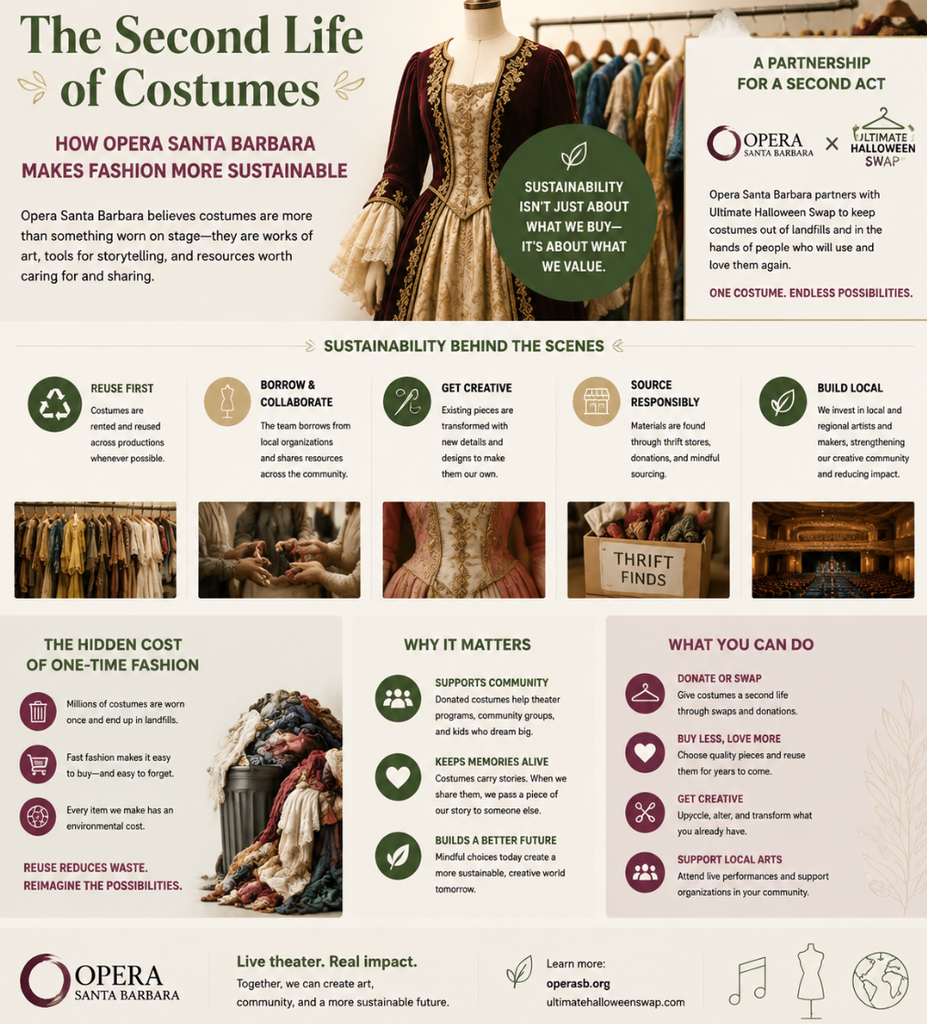
For Opera Santa Barbara, costumes have always been more than something worn on stage. They are storytelling tools, works of craftsmanship, and pieces that deserve a second life.
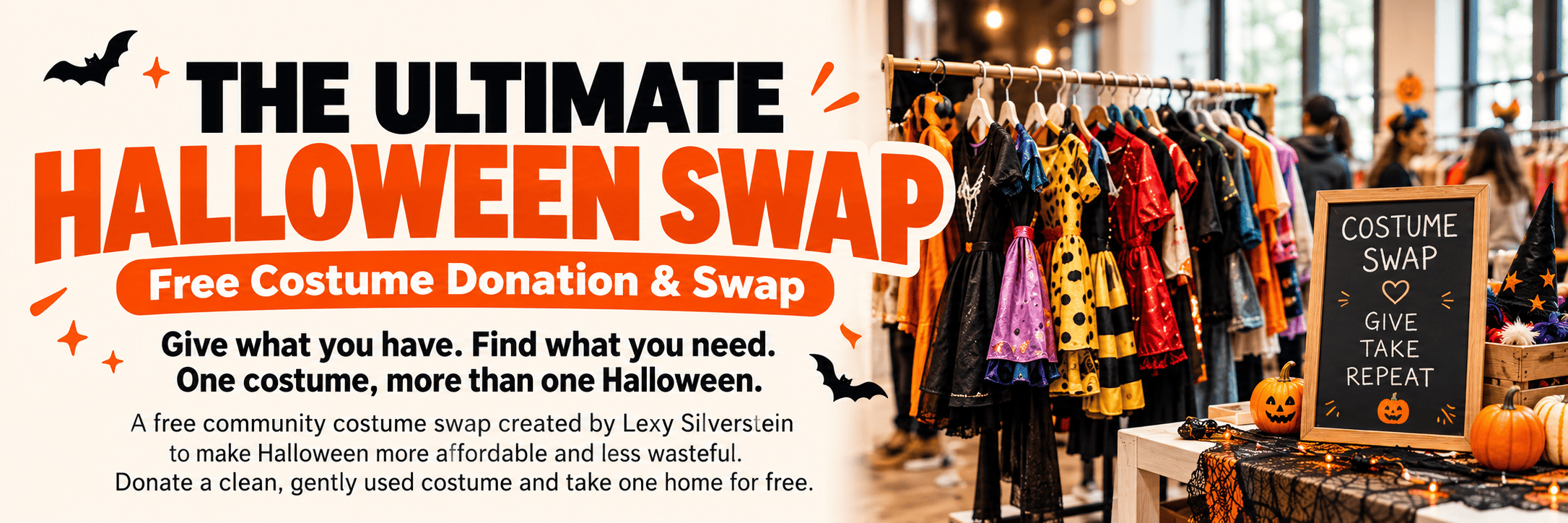
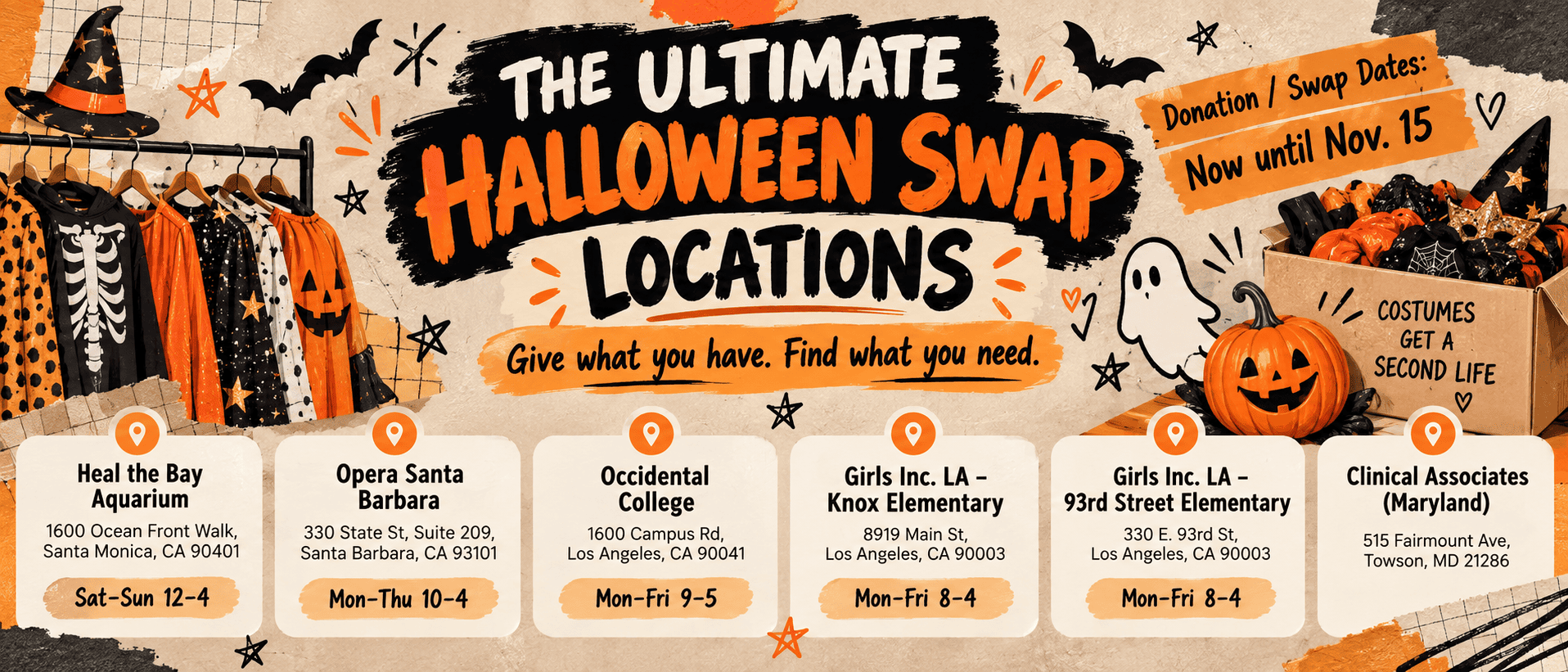
That same philosophy is now extending beyond the opera house through a new partnership with Ultimate Halloween Swap, a costume exchange initiative founded by sustainability advocate Lexy Silverstein that helps give unwanted costumes a new purpose.
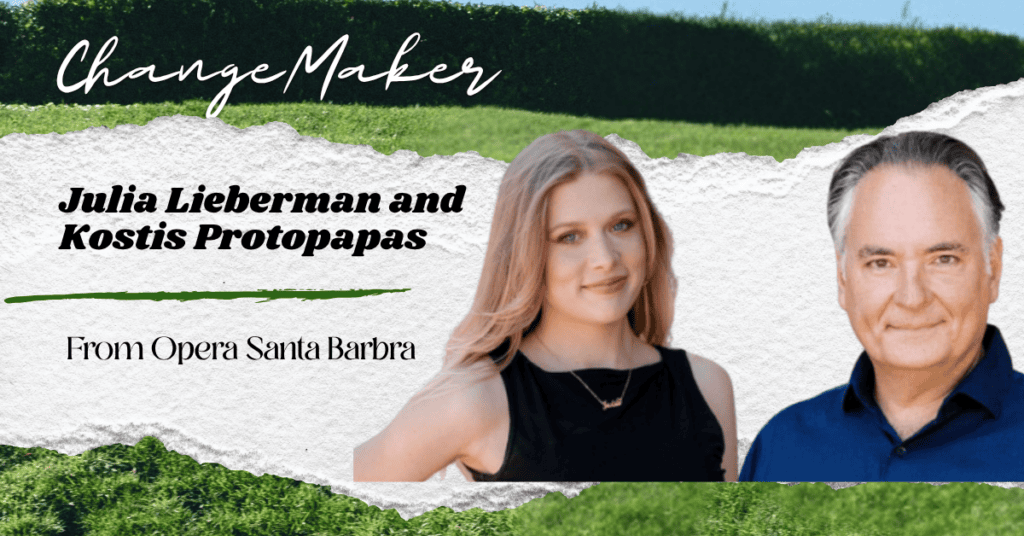
For Opera Santa Barbara’s Company and Media Manager Julia Lieberman and Artistic and General Director Kostis Protopapas, the partnership was a natural fit.
“We work in costumes,” Julia explains. “We know the importance of having costumes, and so many costumes get worn once and then are never talked about or touched again.”
Instead of sitting unused, costumes can become something new: helping another person create a memory, supporting a school theater program, or giving someone the chance to dress up without buying something brand new.
How Does Reuse Give Costumes a Second Act?
Sustainability is often associated with recycling, renewable energy, or buying fewer new products. But at its core, sustainability is also about recognizing value in what already exists.
For Opera Santa Barbara, that means reusing materials whenever possible in their productions.
The company regularly rents costumes from previous productions rather than creating everything from scratch. When new pieces are needed, the team looks for opportunities to source materials responsibly: visiting thrift stores, borrowing from other organizations, and repurposing existing items.
Their costume and props teams frequently collaborate with local communities to share resources.
“We borrow things from different organizations and people here,” Julia says. “We all share and try to borrow things when we can.”
Sometimes sustainability looks like a creative challenge: taking something that already exists and transforming it into something completely new.
For example, when Opera Santa Barbara rented costumes for a production of Elmer Gantry, the costume team added their own details and designs to make the pieces feel original.
“It’s things like that that stay memorable to me,” Julia says. “We still put our spin on it and made it our own while staying sustainable and not making something from complete scratch when we didn’t need to.”
What’s the Hidden Cost of One-Time Fashion?
The problem with Halloween costumes reflects a larger issue in fashion: a culture of buying something for a single moment and quickly moving on.
Fast fashion has made it easier than ever to purchase inexpensive clothing and accessories that are often worn only a handful of times before being discarded.
Costumes are a perfect example.
“There’s so much joy in dressing up,” Lexy says. “But making sure everyone has the opportunity to have that experience without creating more waste is so important.”
A costume sitting unused in a closet is not worthless. It is a resource waiting to be used again.
As Julia explains, donating a costume could help countless people, from theater departments and community groups to a child who finally gets to dress up as their favorite character.
“You could be benefiting people like us or high schoolers that are in their theater shows, or a kid that really wanted to be Iron Man and couldn’t find an Iron Man costume,” she says.
The possibilities extend far beyond Halloween night.
Why We Need to Value the Things We Own
Kostis believes the solution starts with changing the way we think about our belongings.
Instead of viewing objects as disposable, we should recognize the memories and meaning attached to them.
“When you bond with something, it inherits some of your soul,” Kostis says. “It carries something of you.”
A costume is not just fabric. It might represent a childhood dream, a creative project, a special celebration, or a moment when someone felt confident and inspired.
That emotional connection is exactly what makes reuse powerful.
“When you give them to somebody else, they take a part of you,” Kostis says. “Your life becomes part of somebody else’s life.”
This mindset applies far beyond costumes.
A favorite jacket, a book, a piece of furniture, or a handmade item can all have value beyond their first owner.
The most sustainable product is often the one that already exists.
How Is Opera Santa Barbara Building a More Sustainable Arts Community?
For Opera Santa Barbara, sustainability is not just about costumes. It is about building a stronger local creative ecosystem.
The organization intentionally invests in local and regional artists, reducing unnecessary travel costs and emissions while creating opportunities for creatives in the community.
Rather than bringing everyone in from elsewhere, Kostis believes local talent deserves recognition.
“We try to put our scarce resources where it really matters, which is the talent and the art,” he says.
That philosophy reflects a larger lesson about sustainability: environmental responsibility, financial responsibility, and community investment often go hand in hand.
Supporting local artists, sharing resources, and reusing materials all contribute to a stronger, more resilient creative community.
Why Is the Future of Fashion About Connection?
Whether it is an opera costume, a Halloween outfit, or a favorite piece sitting in your closet, clothing carries stories.
The challenge is making sure those stories do not end after one use.
By donating, swapping, repairing, and reimagining what we already own, we create a fashion system built around connection instead of consumption.
Because sustainability is not only about what we buy.
It is about what we choose to value.
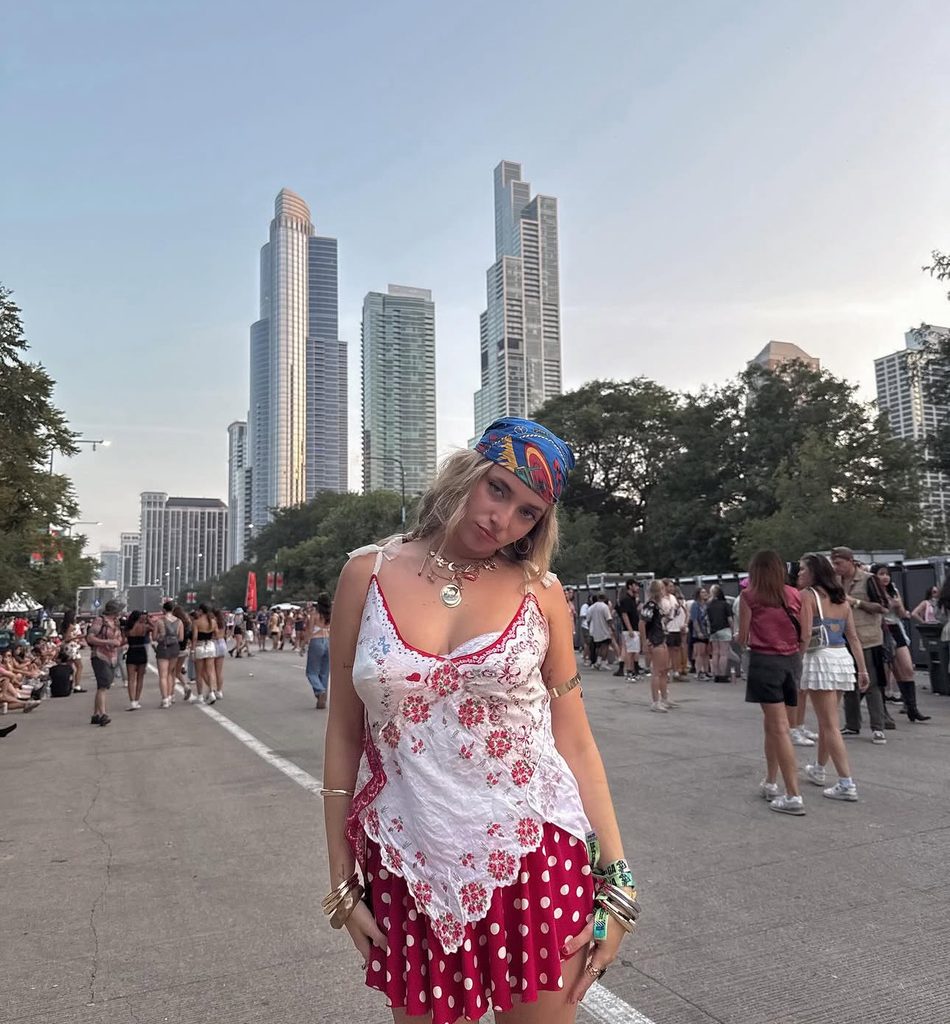
Lexy Silverstein,
Follow me on Instagram & TikTok
Ready to make an impact? Start small by checking your closet for a costume to donate. Go bigger by contacting a local theater or school to see if they need costume donations. Take the biggest step by looking at what else in your closet could get a second life, helping us build a more sustainable future, one piece at a time.